Takeaway Culture in the UK
Published in February 2026
Introduction
The consumption of takeaway and convenience foods represents one of the most significant differences between weekday and weekend eating patterns in the UK. Population dietary surveys have consistently documented elevated consumption of takeaway meals, fast food, and delivery services during weekends compared to weekdays.
Development of UK Takeaway Culture
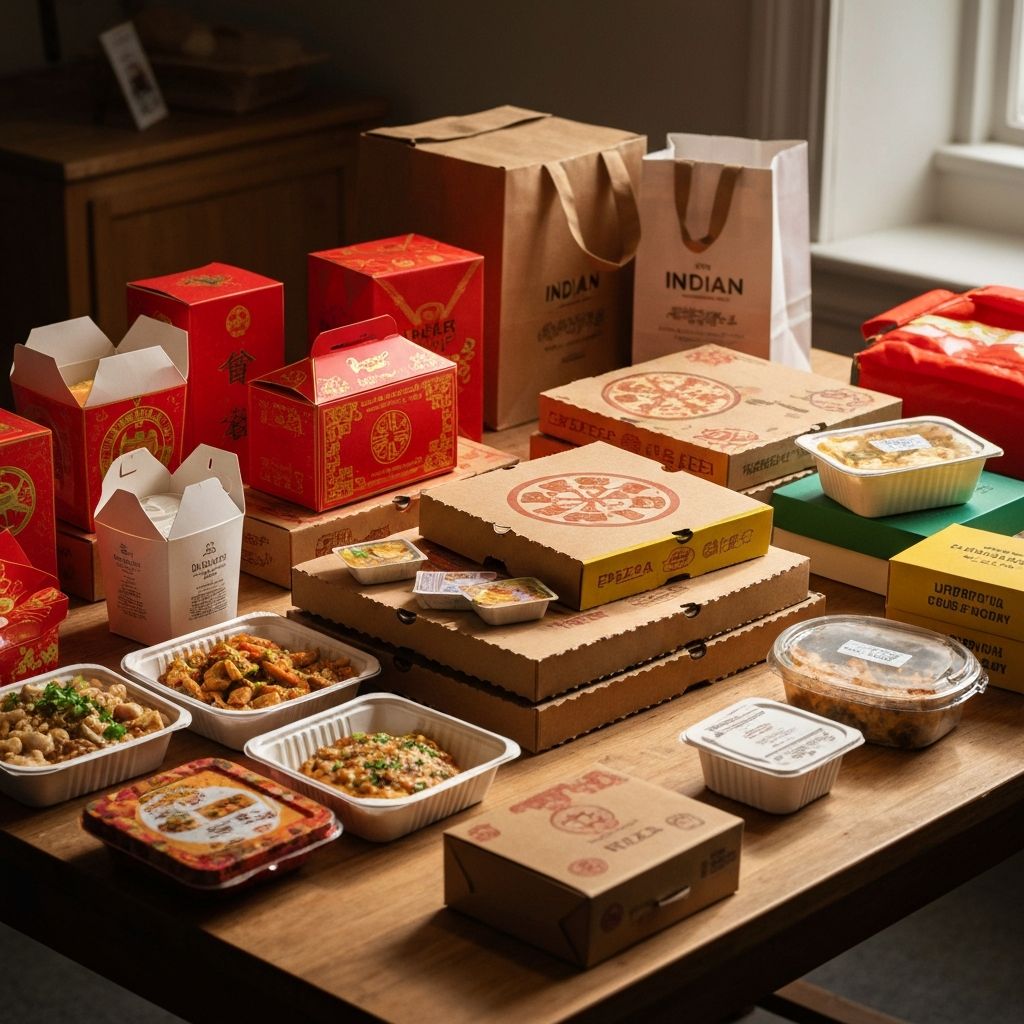
The UK has a well-established takeaway and fast food culture reflecting both immigrant communities and domestic food service development. Indian restaurants, Chinese takeaways, pizza delivery services, fish and chips establishments, and increasingly diverse cuisines have become central features of UK food environments.
Takeaway services have expanded significantly with online ordering and delivery platforms. The convenience and accessibility of these services has increased their integration into everyday eating patterns, with particular prominence during weekends when leisure time and social occasions create demand for these foods.
Types of Takeaway Foods and Restaurants
The UK takeaway landscape includes diverse cuisines and food types. Indian curry houses remain prominent weekend eating choices. Chinese takeaway restaurants offer standard weekend meal options. Pizza delivery and Italian fast food serve as popular casual meals. Fish and chips establishments represent traditional British takeaway.
Fried chicken outlets, kebab houses, Mexican restaurants, Thai eateries, and many other cuisines have become established in British takeaway culture. The diversity of available options reflects both immigration patterns and market development of food service industries.
Convenience and Time Availability
Weekends offer greater flexibility in time availability compared to structured weekday routines. This time flexibility reduces barriers to ordering takeaway. Rather than cooking, people select prepared meals from external sources. The weekend period eliminates time pressure associated with work, making ordering and consuming takeaway a feasible leisure activity.
Delivery services and online ordering systems have further reduced the effort required for takeaway consumption. The ability to order from home and have food delivered eliminates the need to travel to restaurants or takeaway establishments, increasing accessibility during leisure time.
Social Aspects of Takeaway Eating
Takeaway meals often serve as components of social occasions. Groups gather with takeaway food as part of entertainment or social time. Film nights, sports events viewing, and informal social gatherings frequently involve takeaway meals. Sharing takeaway containers creates a communal eating experience.
The informality of takeaway eating suits weekend leisure activities and social contexts. Eating from containers, combining multiple items, and casual consumption patterns align with relaxed weekend settings and group interactions.
Energy Content and Food Composition
Takeaway foods typically contain higher amounts of energy, salt, and fat compared to home-prepared meals. Population studies have documented that weekend eating patterns shift toward foods with these characteristics when takeaway consumption increases. The composition of takeaway foods differs from typical weekday meal patterns.
Portion sizes in takeaway establishments often exceed recommended serving sizes. The combined effect of increased consumption frequency and larger portions contributes to observed increases in energy intake during weekends when takeaway consumption is elevated.
Economic and Accessibility Factors
Takeaway food pricing has become increasingly competitive, making regular consumption accessible to diverse income groups across the UK. The prevalence of takeaway establishments in both urban and increasingly rural areas means these options are geographically available to most UK residents.
Promotional offers and loyalty programs further encourage weekend takeaway consumption. Digital platforms enable price comparison and special offers, influencing consumer choices during leisure time purchasing decisions.
Frequency and Patterns of Takeaway Consumption
Population surveys document marked increases in takeaway meal consumption on Friday evenings and throughout weekends compared to weekday eating. Saturday evening represents a peak takeaway consumption occasion. Sunday meals also frequently involve takeaway options alongside or instead of home cooking.
These patterns are observed across UK regions, though regional preferences for specific cuisines vary. The overall pattern of increased takeaway consumption during weekends appears consistent across demographic groups.
Weekend Routines and Takeaway
Takeaway consumption has become integrated into UK weekend routines and rituals. Friday night takeaway represents a standard weekend leisure activity for many households. This pattern reflects both the availability of services and cultural normalisation of weekend takeaway meals.
The anticipation of weekend takeaway throughout the work week reflects its significance in how weekends are experienced and planned. Decisions about which restaurant or type of cuisine to select create a planning element to weekend food consumption.
Conclusion
Takeaway culture represents a significant feature of UK weekend eating patterns. The combination of increased time availability, social occasion frequency, convenience of delivery services, affordability, and cultural normalisation of takeaway eating all contribute to elevated weekend consumption of these foods.
Understanding takeaway consumption as a contextual factor in weekend eating patterns provides informational background about food environments and their influence on eating behaviour across UK populations. This information describes observed patterns without making recommendations or judgements about individual food choices.